Flood Damage Cleanup in Keller, TX
Heavy North Texas rain can push creek and street water toward homes. Flood water carries dirt and germs. Flood damage cleanup in Keller needs more care than a pipe leak.
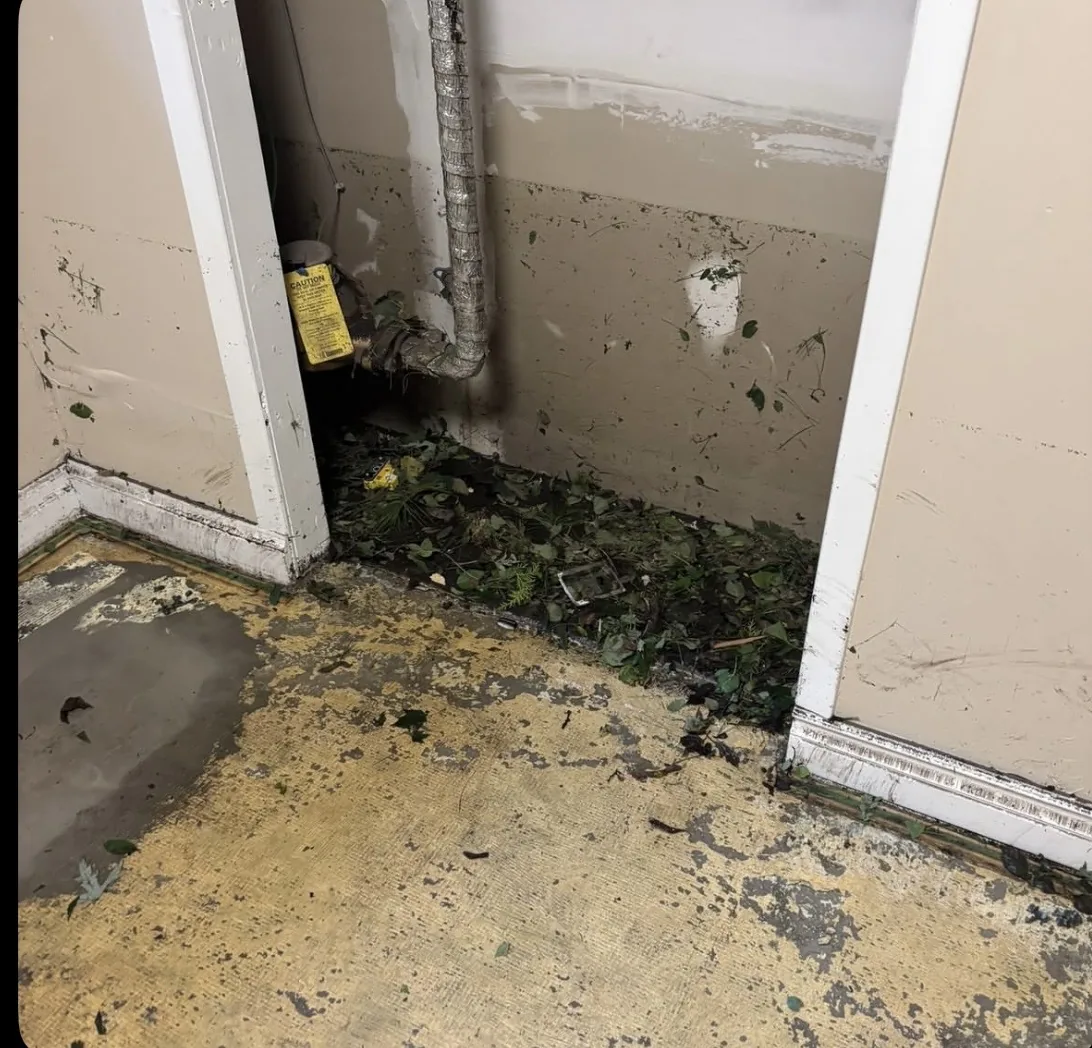
Signs to Look For
- Water came in through doors, garage, or low windows
- The water looks brown or smells bad
- Yard or street water reached the slab
- A storm dropped heavy rain in a short time
What We Do
Treat it as unsafe water
Flood water counts as Category 3, or black water. We wear protective gear and keep it out of clean areas.
Remove what you cannot save
Soaked carpet, pad, insulation, and low drywall often go. Porous items hold germs.
Clean, disinfect, and dry
We wash hard surfaces, apply disinfectant, and dry the structure with air movers and dehumidifiers.
Flood damage vs. water damage from a leak
The difference matters for insurance. A burst pipe is sudden water from inside your home. Flood is water that rises from outside.
Read more: FEMA FloodSmart
- Most homeowners policies cover burst pipes. They do not cover flood.
- Flood coverage is a separate policy through the National Flood Insurance Program or a private insurer.
- The NFIP usually has a 30-day wait before coverage starts.
- Big Bear Creek runs through Keller. Check the FEMA flood map for your address.
What to Do Before We Arrive
- Stay out of the water. It may carry germs or touch live wires.
- Wear boots and gloves if you must enter.
- Take photos from a dry spot.
- Do not run the AC or vacuum while floors are wet.
What changes the plan
Flood jobs vary a lot. Depth, time, and the type of mud or debris all matter.
- Depth of water and how long it stayed
- Mud and debris in the house
- Materials that touched the water
- Whether your yard still floods in rain
What we throw out after a flood
Flood water soaks porous items and leaves germs inside them. We cannot make some items safe.
- Carpet and carpet pad
- Wet insulation
- Drywall that sat in water
- Mattresses and upholstered furniture
- Particleboard cabinets and furniture
- Food and medicine that touched the water
What we can often save
We can often wash and disinfect solid wood furniture, metal, glass, and hard plastic. Concrete and tile clean well. We tell you what we can save before we remove anything large.
Health steps for your family
Wear boots and gloves in wet areas. Wash hands often. Cover cuts. The CDC lists floodwater safety steps. Follow them while you wait for the crew.
Why flood cleanup takes more steps
Flood water brings mud, germs, and debris. The job has more stages than a clean pipe leak.
We remove debris and mud first. We then pull water, take out porous materials, clean and disinfect, and dry. We check readings before you rebuild.
Health safety around floodwater
The CDC says to treat floodwater as unsafe. It can carry germs and chemicals. Avoid skin contact. Keep kids and pets out. Wash hands often after any contact.
Plan ahead for the next storm
Check your flood zone on the FEMA map. Review your policy. Photograph your home and valuables. Keep important papers in a waterproof bag. Clear storm drains and gutters near your home.
What counts as flood water
Insurers and cleanup crews use the word flood in a specific way. Water that comes from outside and enters your home is flood water. Rain that seeps through a wall, a creek that rises, and storm runoff all fit here.
A broken pipe inside your home is different. Plumbing leaks follow other rules and often use cleaner water. We treat flood water as contaminated until proven otherwise. It picks up dirt, fuel, and sewage on its way in.
Our cleanup steps in order
Flood cleanup follows a set order. Skipping a step leaves germs or moisture behind.
First, we check the home for safety. We look at power, gas smells, and weak floors. Then we pump out standing water. Next, we remove mud and debris by hand and with tools.
After that, we remove materials we cannot clean. We then wash the surfaces and apply a disinfectant made for the job. Last, we dry the structure with air movers and dehumidifiers until the readings match your dry reference.
- Safety check of power, gas, and floors
- Pump out standing water
- Shovel and haul out mud and debris
- Remove soaked pad, insulation, and low drywall
- Wash and disinfect hard surfaces
- Dry the structure and record daily readings
Mud and clay after a Keller flood
North Texas clay holds water and sticks to everything. Dried clay turns into a hard crust on tile, concrete, and carpet backing.
We wet it down and lift it in layers. Scrubbing dry clay into a floor grinds grit into the finish. Let it stay damp until the crew arrives, and do not spray it hard with a pressure washer indoors.
Questions we hear after floods
People often ask if they can wait for the water to go down by itself. We say no. Every day adds more germs and softens more materials.
Another common question asks about the air. Flood rooms can smell sour within a day or two. That smell tells us the wet materials need to come out, so tell us about it early.
Many owners also ask what to do about the yard. We focus on the inside of the home. A yard crew or drainage contractor can fix grading that sends water toward your walls.
Paperwork to keep after a flood
Good records speed up any claim. Keep photos of the water line on each wall. Keep a list of damaged items with the age and rough cost of each one.
Save every receipt for cleanup, repairs, and temporary housing. FEMA and your insurer may both ask for them. We give you our moisture readings and a written scope when the job ends.
Common Questions
Does homeowners insurance cover flood in Texas?
A standard policy does not cover flood. You need a separate flood policy. Ask your agent which one you have.
Can I keep furniture that touched flood water?
You can often clean hard wood and metal pieces. Upholstery and mattresses usually cannot. See the CDC guide for details.
Is it safe to stay home after a flood?
Not until we clean it. Flood water can hold germs. Stay out of wet rooms and keep kids and pets away.
How long does flood cleanup take?
Cleanup takes a day or two. Drying then runs three to five days or more.
Can mold grow after a flood?
Yes. Flood water leaves moisture and mud. Dry fast and remove soaked materials.
Related water damage help
Want to read first? See Water Damage vs. Flood Damage: What Is the Difference in Texas? and Is It Safe to Stay in Your Home After Water Damage?. We also work in Bear Creek area, Keller, Watauga, and North Fort Worth.
Call SureDry About flood damage
Spotted this: water came in through doors, garage, or low windows? Call us. We explain what happens next for your flood damage problem.