Attic Water Damage in Keller, TX
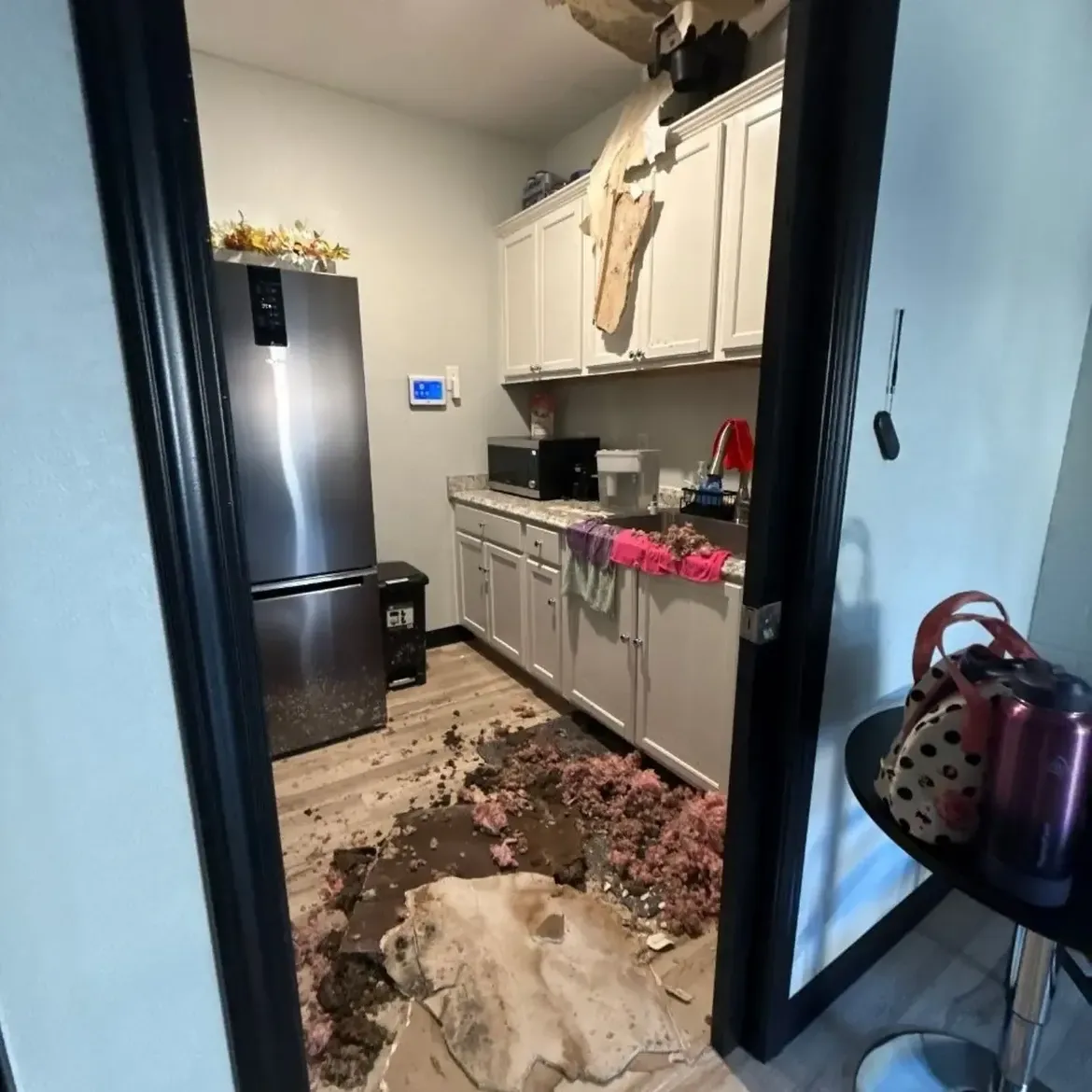
Nobody checks the attic after a storm. Water can sit in insulation for weeks. That makes the attic a common place for hidden mold and ceiling stains below.
Signs to Look For
- Stains on the ceiling under the attic
- Damp or flattened insulation
- Musty odor from the attic hatch
- Rusty nails or dark wood on the roof deck
What We Do
Inspect the attic
We check insulation, framing, and the roof deck with a moisture meter.
Remove wet insulation
Wet insulation loses its value and holds water against wood. We bag and remove it.
Dry the framing and deck
We use fans and dehumidifiers. Hot attics dry fast once the water source stops.
Common attic leak sources in Keller
North Texas hail and wind loosen shingles and flashing. Heat and age crack roof vents. AC units in the attic add their own risk.
Read more: IICRC S500 water damage standard
- Hail damage to shingles
- Failed flashing around vents and chimneys
- Plumbing vent boots that crack in the sun
- AC drain pan overflow
What to Do Before We Arrive
- Do not walk on insulation. Joists carry your weight, not drywall.
- Wear a mask in a damp attic.
- Check ceilings below for stains.
- Note where rain entered after a storm.
What changes the plan
Hot Texas attics dry fast. The source and insulation type decide the scope.
- Blown-in insulation soaks and settles
- Batt insulation can sometimes dry
- Roof deck wood needs readings
- Duct leaks add condensation
Safe attic access
Walk on joists, not on drywall. Wear a mask and gloves. Use a flashlight. Do not stay in a hot attic for long in summer.
If you do not feel safe, call us. We have the gear.
Insulation types and water
Blown-in insulation soaks, clumps, and sags. Batt insulation can sometimes dry if it stays intact. Foam insulation behaves differently.
We check each type and decide if it can stay.
Prevent attic leaks
Check the roof after storms. Keep gutters clear. Have a roofer inspect flashing and vent boots. Have your AC drain line cleaned each year.
What affects time and price
Attic size, insulation type, and how long water sat matter most. Large blown-in attics need removal and replacement. Small leaks may dry in place.
Heat and attic drying
Summer heat helps drying but also helps mold if moisture stays. We use fans and dehumidifiers and check wood moisture. In winter, we add heat if needed.
Insurance notes
Storm damage to a roof is often covered. A slow leak may not be. Photograph the attic and save receipts for emergency repairs.
Reading the signs from below
Most attic leaks show up downstairs first. The ceiling is often the only clue.
Check for stains on upper-floor ceilings, damp air near hall closets, and a musty smell in the upper rooms. Rising energy bills can also point to wet insulation, since wet insulation loses its value.
Where attic water comes from
Four sources cause most attic water problems in North Texas. Each leaves a different pattern.
Hail can crack shingles and open the roof deck. Wind can lift flashing around vents and chimneys. An AC unit in the attic can overflow its drain pan. A supply line can split near the water heater or the AC.
- Roof leaks follow rain and leave stains near the roof line
- AC leaks show up in summer and sit near the air handler
- Pipe leaks come on at any time and wet the area around the line
- Condensation shows up on cold days as damp wood near vents
What we do in the attic
We work from the attic floor on boards, not on drywall. We take moisture readings on the decking, the rafters, and the insulation.
We vacuum or bag wet insulation, since wet insulation holds water against the ceiling. We then set air movers and a dehumidifier. In summer we vent the heat out, because a hot attic stresses the crew and the equipment.
Before and after the roofer
A roofer should repair the leak before we dry. Otherwise the next rain wets everything again.
A temporary tarp can protect the attic until the repair. Take photos of the roof and attic before the roofer starts. Keep the roofer's invoice with our readings. Your insurer may want both.
Staying safe around a wet attic
A wet attic can hurt you before it hurts your house. Wet insulation is heavy and slick. A soaked ceiling below can give way under weight.
Do not climb into the attic to check the damage. Step only on the joists, never on drywall. Turn off power to the attic at the breaker panel if water touches wiring or light fixtures. Stay out of rooms where the ceiling sags or drips near outlets. Call us, and we will tell you what to do next.
Ventilation and radiant barrier
Texas attics often have ridge vents, soffit vents, and a radiant barrier on the roof deck. Wet insulation can block the soffit vents and trap damp air in the attic. That slows drying and adds to the water damage.
We check that vents stay clear before we leave. Foil radiant barrier does not soak up water, but water pools on it and drips at the seams. We dry those seams and the wood behind them.
Plan for the next hail season. Ask your roofer to check vent boots and flashing each spring. Keep photos of your attic and roof from before any storm, so you can show what changed.
Common Questions
How do I know if my attic has water damage?
Check for ceiling stains below and damp insulation above. A musty smell is another sign.
Do I need a roofer or a restoration company?
Both. A roofer fixes the leak. We dry the water damage.
Can wet attic insulation dry?
Some types can. We remove most soaked insulation because it holds water.
Does attic mold spread?
It can. It spreads along damp wood and insulation.
How often should I check my attic?
After major storms and at least once a year.
Related water damage help
Want to read first? See What Are the Signs of Hidden Water Damage in Your Home? and Can You Save Wet Drywall or a Wet Ceiling?. We also work in North Richland Hills, Watauga, and Haslet.
Call SureDry About attic damage
Spotted this: stains on the ceiling under the attic? Call us. We explain what happens next for your attic damage problem.