Mold After Water Damage in Keller, TX
Mold needs water, food, and time. A leak gives it all three. Fast drying stops most mold before it starts. This page covers signs, rules, and when to call.
Signs to Look For
- A musty smell in a room that got wet
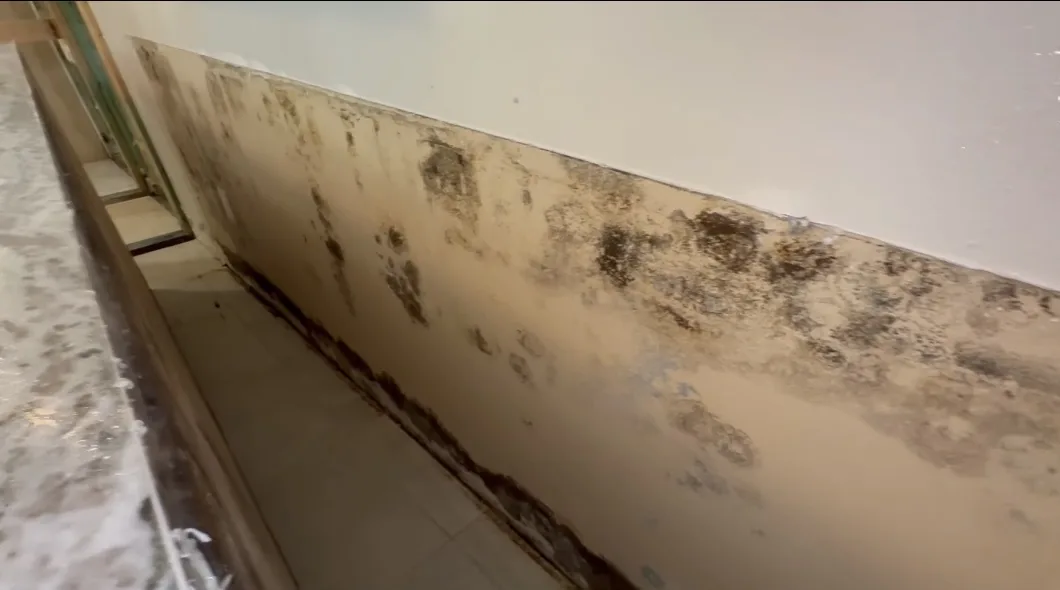
- Dark or fuzzy spots on drywall or baseboard
- Paint bubbling or peeling after a leak
- Family members coughing or sneezing more indoors
What We Do
Dry the area first
We dry wet materials fast. Dry materials do not feed mold.
Remove materials that stay wet
Soaked insulation and drywall that cannot dry in time come out.
Check readings until the area is dry
We record moisture readings. When they match a dry area, mold risk drops.
The 10 sq ft and 25 sq ft rules
Two numbers matter. The EPA says most people can clean mold smaller than 10 square feet. Texas licensing starts at 25 contiguous square feet.
Read more: EPA mold cleanup guide
- Under 10 sq ft: EPA guide says many homeowners can handle it with care.
- 25 sq ft or more: Texas law requires a licensed mold assessor and a separate licensed remediator.
- After licensed work, you get a Certificate of Mold Remediation.
- We focus on drying. We refer large mold jobs to licensed professionals.
What to Do Before We Arrive
- Fix the water source.
- Keep wet materials ventilated.
- Do not disturb visible mold.
- Wear a mask if you must enter the area.
What changes the plan
Mold risk depends on how wet the home got and how fast drying began.
- Time between the leak and drying
- Humidity inside the home
- Materials that stayed wet, such as drywall and carpet pad
- Whether the leak was hidden
What we do and do not do
Texas law separates mold work. We handle the water damage that causes mold. A licensed assessor tests and writes a plan. A separate licensed remediator removes mold over 25 contiguous square feet.
If you find mold during our job, we stop, tell you, and explain the next step.
Prevent mold in your home
Fix leaks fast. Run your AC and keep indoor humidity low. Use bath fans. Do not leave wet towels or wet items in a pile.
After any leak, dry the area in 24 to 48 hours.
Health and mold
The EPA says to speak with a health professional before cleanup if you have health concerns. Wear protective gear if you clean a small area. Do not disturb large areas.
Myths about mold
Mold talk online can scare people. These facts help.
- Myth: all mold is black mold. Fact: mold comes in many colors.
- Myth: bleach is the best cleaner. Fact: the EPA recommends detergent and water on hard surfaces.
- Myth: you can paint over mold. Fact: the EPA says paint over mold is likely to peel.
- Myth: mold only grows in basements. Fact: attics, closets, and walls grow mold too.
Insurance and mold
Texas guidance says most home policies cover mold that grows on a covered damaged item. Most do not pay for mold cleanup and testing after you remove a damaged item, unless you add that coverage.
Ask your agent before you file.
A plan after a leak
Dry the area in 24 to 48 hours. Throw out porous items that stay wet. Keep humidity low. Watch for musty smells. Call a licensed assessor if the mold spreads over a large area.
How fast mold can start
Mold needs moisture, food, and time. Wet drywall, wood, and carpet give it food. The EPA says drying wet materials within 24 to 48 hours helps prevent mold growth.
North Texas summers make this harder. Warm, humid air feeds mold in a damp wall. Even a small leak behind a vanity can start growth in a few days.
Signs of hidden mold
Mold often grows where you cannot see it. Inside walls, under flooring, and above ceilings are common spots.
Look for clues. A musty smell points to hidden moisture. So do stains that return after painting and paint that bubbles for no clear reason.
- Musty or earthy smell in one room
- Dark spots near ceiling corners or baseboards
- Warped baseboards or soft drywall
- Allergy symptoms that ease when you leave the home
- Water stains that spread or darken over time
What we check before you hire anyone
We measure moisture first. A meter tells us if materials are still wet. Wet material can grow mold, so drying comes first.
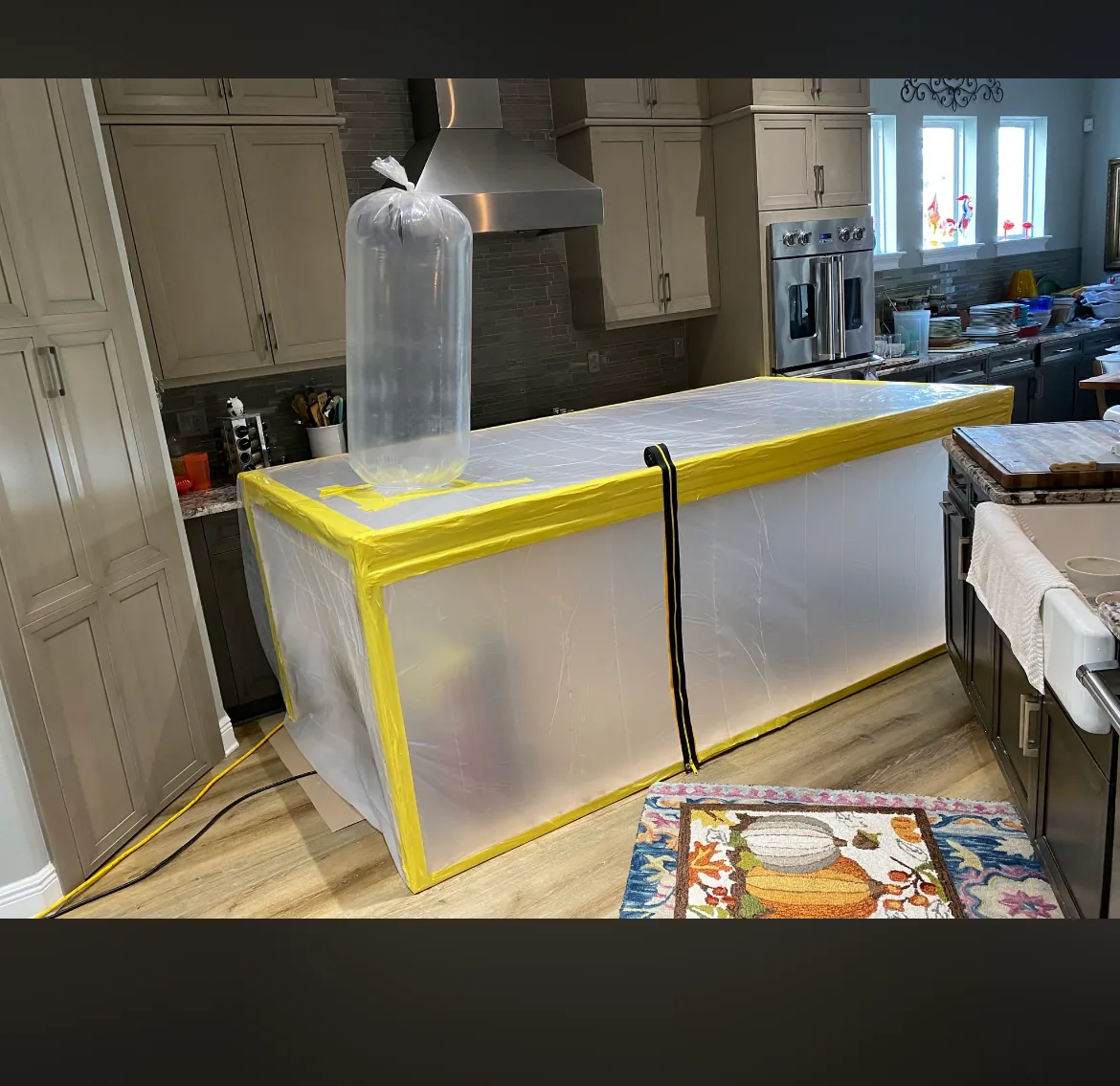
If we see mold-like growth, we stop and tell you. Texas law, through TDLR, calls for a licensed assessor and a separate licensed remediator. That applies when mold covers 25 contiguous square feet or more. We do not perform licensed mold remediation.
We can dry the structure so new growth stops. You then hire licensed mold professionals for the testing and removal.
Questions to ask a mold company
Ask for the company's Texas license number and check it on the TDLR website. Ask whether the same company will assess and remove, since Texas rules keep those jobs separate.
Ask for a written protocol before work starts. Ask for a clearance test after removal. Save all of it with your water damage records.
Keeping records for the licensed pros
A licensed assessor will ask what happened. Your records answer that question.
Save our moisture readings, photos, and the date the leak started. Note when we finished drying. Write down any smells or stains you noticed later. These details help the assessor find the cause and decide where to test.
Common Questions
How fast does mold grow after a leak?
It can start within 24 to 48 hours. Warm, humid North Texas summers speed it up.
Can bleach kill mold?
Bleach is not the best choice on porous surfaces. The EPA says to fix the moisture problem first.
Do you do mold testing?
Texas separates assessment from remediation. A licensed assessor tests. We dry the water damage that causes mold.
What does mold smell like?
Many people describe it as musty, like wet cardboard or old basements.
Does drying remove mold?
Drying stops new mold. Existing mold may need cleaning or licensed removal.
Related water damage help
Want to read first? See How Fast Does Mold Grow After Water Damage? and How Long Does It Take to Dry a House After Water Damage?. We also work in Colleyville, Bear Creek area, Keller, and Haslet.
Call SureDry About mold prevention
Spotted this: a musty smell in a room that got wet? Call us. We explain what happens next for your mold prevention problem.