Emergency Water Damage Restoration in Keller, TX
Water spreads fast. In an hour it soaks flooring and wicks up drywall. This page explains what emergency water damage restoration in Keller looks like, hour by hour.
Signs to Look For
- Water is standing on a floor or in a room
- A pipe, tank, or supply line is still running
- Ceiling is sagging, dripping, or stained
- The air feels damp and floors feel soft
What We Do
Stop the source
Shut off the main valve. If you cannot find it, tell us. We help you locate it and confirm the leak has stopped.
Pull out the water
Pumps and extractors remove standing water first. This cuts the amount of moisture the walls can absorb.
Start drying the same day
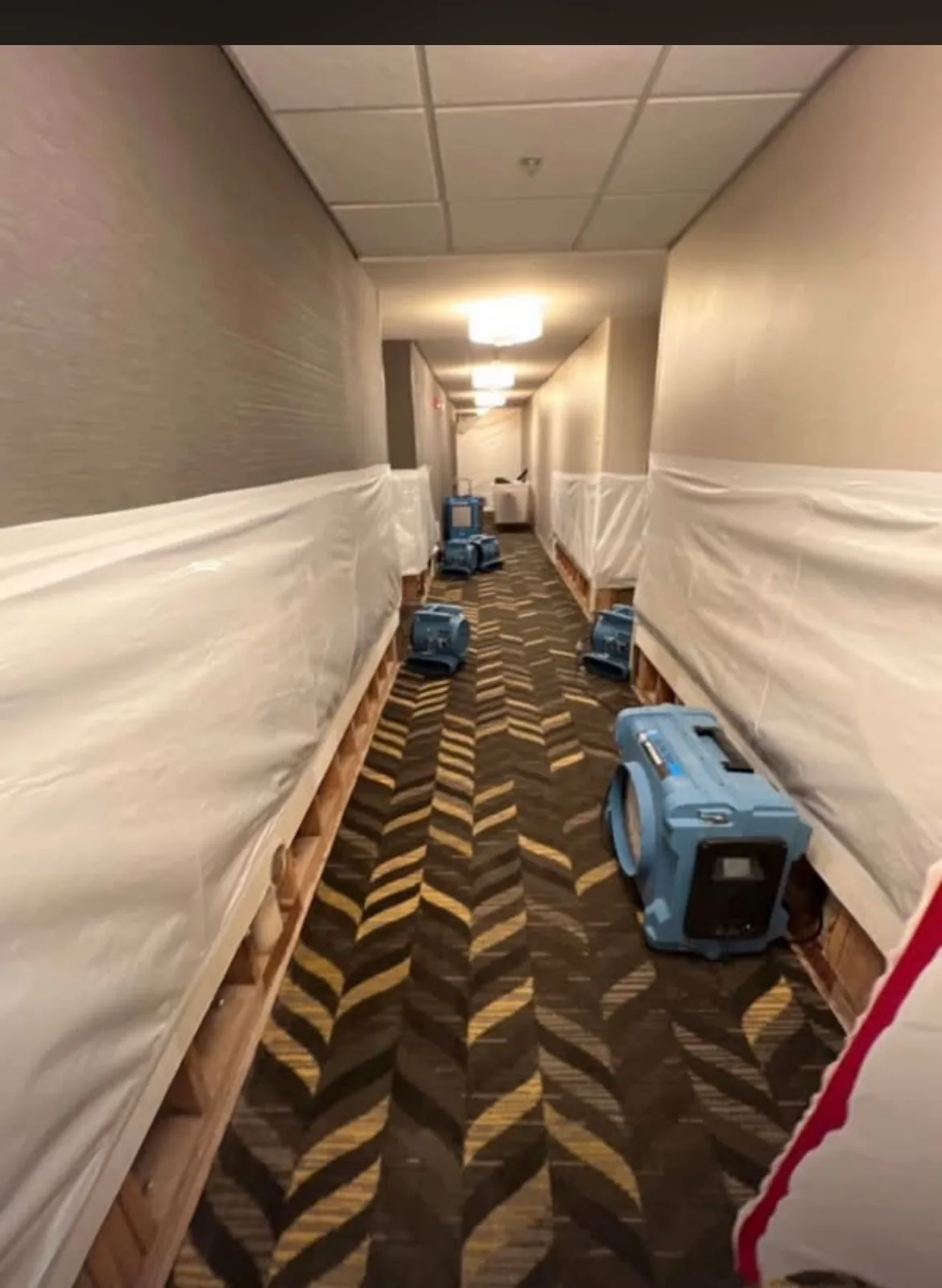
Air movers and dehumidifiers go in right away. The first 48 hours decide how much you can save.
What the first 24 hours look like
Hour one is about safety and stopping the water. Hours two to six are for removal and moisture mapping. By the end of day one, drying equipment should run in every wet room.
Read more: IICRC S500 water damage standard
- Hour 1: stop the water, cut power to wet areas, take photos.
- Hours 2 to 6: extract water, map wet walls and floors.
- Hours 6 to 24: set equipment, remove soaked pad or insulation.
- Day 2 and on: check readings, adjust fans, track drying.
What to Do Before We Arrive
- Shut off the main water valve.
- Turn off power to wet rooms if you can reach the panel safely.
- Move rugs, books, and small items to a dry spot.
- Photograph every wet room and the source of the water.
What changes the plan
Every emergency has its own water type, size, and cause. We look at five things in the first visit.
- Where the water came from and whether it has stopped
- How many rooms and floors the water reached
- Whether the water is clean, gray, or black
- How long it sat before we arrived
- The floor and wall materials involved
What we ask on the first call
The first call sets the plan. We ask a few short questions so the crew arrives with the right tools.
- What is the source, and has the water stopped?
- Which rooms and floors are wet?
- Is the water clear, dirty, or from a sewer?
- Do you have power in the wet areas?
- Do you have your insurer's claim number yet?
What we bring and set up
Most jobs need pumps or extractors, air movers, dehumidifiers, and a moisture meter. Larger jobs add more units and drying mats.
We place equipment to dry wet rooms first and to protect dry rooms. We then show you the readings so you know where we started.
What you do not need to do
You do not need to clean up before we arrive. You do not need to pull up flooring yourself. Photograph first, then let the crew handle the work.
Common myths about water emergencies
Some advice online sounds helpful but causes harm.
- Myth: a dry-looking floor means the job ends. Fact: walls and subfloor can stay wet for days.
- Myth: a few box fans are enough. Fact: fans move air but do not pull water out of materials.
- Myth: you can wait a week for the adjuster. Fact: mold can start in 24 to 48 hours.
- Myth: bleach fixes everything. Fact: the EPA recommends detergent and water on hard surfaces.
What affects time and price in an emergency
Three things change the job most. They are how long the water sat, how far it spread, and the water type. Clean water caught in the first hours is the easiest to fix.
We explain these factors on your first visit and give you a written scope. Early calls keep more of your home in the save pile.
After the emergency ends
When readings reach the dry goal, we remove equipment. A rebuild crew can then replace drywall, flooring, or paint if needed. We give you your photos, readings, and logs for your records.
The first hour, step by step
Speed matters, but order matters more. These steps help in the first hour, before the crew arrives.
Find the source and stop it if you can. Shut off the main water valve for a pipe leak. If the leak comes from a roof or storm, skip to the safety steps.
Next, check the power. Standing water near outlets, cords, or a breaker panel can shock you. If you doubt the room is safe, stay out and call us.
- Shut off the water at the main valve
- Turn off power to wet rooms at the breaker, only if the panel is dry
- Move small valuables, papers, and electronics to a dry spot
- Take photos and short videos of every wet room
- Open interior doors so we can reach every wet area
How we decide where to start
Water spreads in ways you cannot see. It runs under baseboards, into wall cavities, and along slab edges.
We walk the whole home with a moisture meter before we set any equipment. A thermal camera helps us find hidden wet spots behind drywall. We mark the wet zone on a simple map and work from the worst area outward.
This scan also tells us the water category. Clean supply water, gray water, and sewage need different steps. The category decides what we throw out and what we dry.
Keller homes and fast water
Many Keller homes sit on slab foundations. Water from a burst line often spreads across the whole floor in minutes. It then wicks into the bottom of the walls.
North Texas clay soil adds another twist. After heavy rain, wet soil can push water toward the slab edge and into low rooms. Summer heat and high humidity also speed up mold growth in wet drywall.
A hard freeze can split pipes in garages and attic runs. Water often drips for hours before anyone notices.
Who to call after we leave
A plumber fixes the failed part. A roofer closes a storm opening. A rebuild contractor replaces drywall and flooring we remove.
We share our moisture readings and photos with each of them. That keeps everyone working from the same facts.
Keep every receipt, including small items like fans, tarps, and hotel nights. Your insurer may ask for them. For help with the claim, TDI lists steps for Texas homeowners on its website.
What to have ready when we arrive
A few details save time at the door. Know where your main water shutoff and breaker panel sit. Tell us when the water started and what you think caused it.
Have your insurance company name and policy number handy. You do not need a claim number yet. Clear a path from the front door to the wet rooms, and tell us about pets that might run outside.
Common Questions
What counts as a water damage emergency?
Any leak that soaks floors or walls, or that you cannot stop. Water that touches electrical outlets is also an emergency.
Should I wait for my insurance adjuster?
No. Take photos, then start drying. Waiting lets mold start. Most policies expect you to protect your home.
How soon does mold start?
Mold can begin in 24 to 48 hours, per the EPA. That is why same-day drying matters.
What if the water started at night?
Call right away. Night leaks soak the same way as day leaks. Shut off the main valve and wait for our call back.
Do I need to leave my home?
Not always. Clean water in one room is often fine. If power or sewage is involved, we ask you to stay away.
Related water damage help
Want to read first? See What Should You Do When a Pipe Bursts in Your Keller Home? and Is It Safe to Stay in Your Home After Water Damage?. We also work in Southlake, Roanoke, and Old Town Keller.
Call SureDry About emergency response
Spotted this: water is standing on a floor or in a room? Call us. We explain what happens next for your emergency response problem.