Water Extraction in Keller, TX
Water extraction is the first big step. The sooner standing water leaves, the less reaches your walls and subfloor. We remove it with pumps and extractors, then start drying.
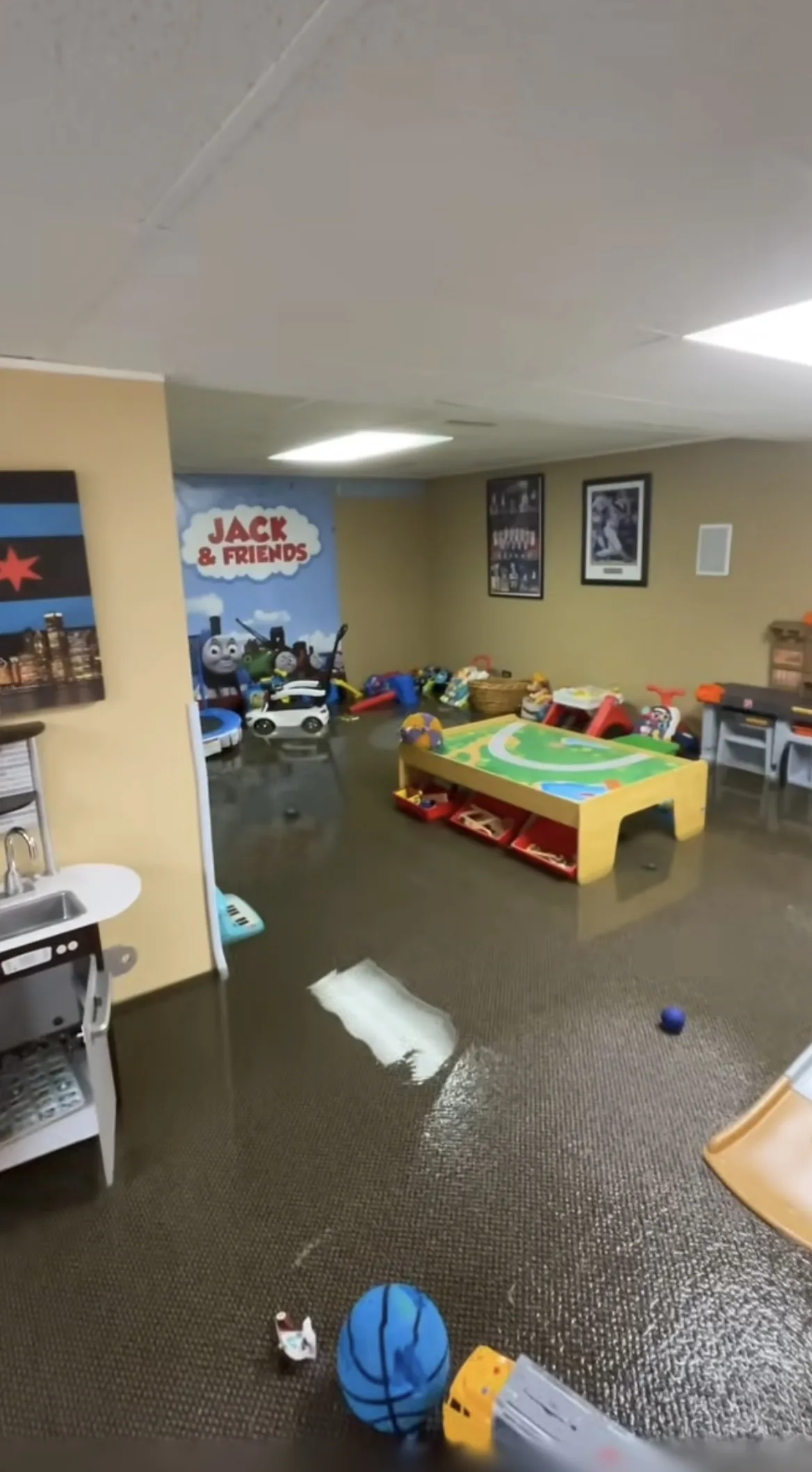
Signs to Look For
- Standing water on tile, wood, or concrete
- Carpet that squishes underfoot
- Water pooling in a garage or closet
- Water pouring from a ceiling light
What We Do
Pumps for deep water
A submersible pump clears inches of standing water in minutes. It works in basements, garages, and low rooms.
Truck-mounted or portable extractors
These pull water out of carpet and pad. They work better than a shop vac and leave less behind.
Check what is still wet
After extraction, we scan floors and walls with a moisture meter. The surface can look dry while the wall stays wet.
Why a shop vac is not enough
A shop vac moves a small amount of water. It cannot lift water out of thick carpet pad. It also cannot reach water inside walls.
Read more: IICRC S500 water damage standard
- Carpet pad holds water like a sponge.
- Water can wick several inches up drywall.
- Water under floors needs special tools.
- Missed water becomes mold in a few days.
What to Do Before We Arrive
- Do not walk through standing water if outlets are wet.
- Lift furniture or place foil under the legs.
- Open closet doors so water can drain out.
- Take photos before we start.
What changes the plan
The right tool depends on the surface and the depth of the water.
- Deep water needs pumps
- Carpet needs weighted extractors
- Hard floors need squeegees and wet vacs
- Concrete may need extra passes
Equipment we use
The tool depends on the water and the surface.
- Submersible pumps for standing water
- Truck-mounted or portable extractors for carpet
- Weighted extraction wands for pad
- Wet vacs for tile and wood
- Squeegees for thin water on hard floors
Extraction on different floors
Carpet needs weight and suction. Hardwood needs a gentle pass and then mats. Tile pulls water to the grout. Concrete can hold water in pores.
We adjust the method so we do not harm the finish.
What happens after extraction
Extraction ends when standing water is gone. The home is still wet. We start drying right away, because the next 48 hours decide how much we save.
What affects extraction time and price
Depth of water, floor type, and access matter most. Deep basements and large flat floors take longer than a single wet room.
We inspect first and explain what we will do.
What we ask you to do before we arrive
Clear small items off the floor. Take photos. Keep people away from standing water if outlets are wet. Do not run a household vacuum on water.
What happens right after
Once water is out, we scan walls and floors with a meter. We then set drying equipment. We pull wet pad, wet insulation, or drywall that cannot dry in time.
How extraction works, step by step
Extraction means pulling bulk water out of the home. We do it before drying because water in a puddle dries slowly and wets more material.
We start with the deepest area. A pump clears water that is more than an inch or two deep. Then a truck-mounted or portable extractor takes the thin layer that remains. We pass over the floor again until the extractor runs dry.
Carpet, pad, and what comes up
Carpet often survives clean water if we reach it fast. Pad rarely does. Pad acts like a sponge and holds water long after the top feels dry.
We may lift a corner of the carpet, pull the pad, and extract the back of the carpet. The carpet then dries on a clean floor with air movers pointed under it.
If the water was dirty, we remove both carpet and pad. Sewage and flood water leave germs that extraction cannot remove.
Signs extraction missed something
Water hides. A floor that looks dry on top can still hold water below it.
Watch for these clues in the days after a leak. If you see any of them, call us.
- A musty smell that gets stronger each day
- Baseboards that swell, cup, or pull away from the wall
- Paint or wallpaper that bubbles above the floor
- Floors that feel cool or damp to bare feet
- A rising humidity reading even with the AC on
Water extraction on a slab
Most Keller homes sit on slab. Water on a slab cannot drain down, so it spreads sideways to every low spot.
A slab also holds water in its pores. We pull the surface water first and then dry the slab with dehumidifiers. Flooring on top of a wet slab can trap that moisture and cause odor or mold later.
We check the slab with a meter before you install new floors. That one check can save you from a bad rebuild.
Extraction in a two-story home
Water from an upstairs leak rarely stays upstairs. It drips through the ceiling and floods the room below. We extract on both levels.
We start on the lower floor, where the most water sits. Then we work upstairs and check the ceiling cavity. Wet ceiling panels may hold gallons. We open them early so the water drains and the cavity can dry.
Common Questions
How long does water extraction take?
Most rooms take one to a few hours. Large floods take longer. Drying then starts and runs for days.
Can you save my carpet?
Often yes, if the water is clean and we act within a day or two. We usually replace the pad.
What happens after the water is gone?
We dry the structure with fans and dehumidifiers. Extraction alone does not finish the job.
Can you extract water from under a floor?
Yes. We use special tools and drying mats to pull water out of layers under flooring.
Do I need to pull up my carpet?
Often yes. We lift the carpet edge and remove the pad if the water is deep.
Related water damage help
Want to read first? See How Long Does It Take to Dry a House After Water Damage? and Can You Save Wet Drywall or a Wet Ceiling?. We also work in Colleyville, Westlake, and Haslet.
Call SureDry About water extraction
Spotted this: standing water on tile, wood, or concrete? Call us. We explain what happens next for your water extraction problem.